Blog
Acrylic Fiber Fabric
Acrylic Fiber Fabric
——From Synthetic Wool to Functional Fibers: A Scientific and Market Perspective
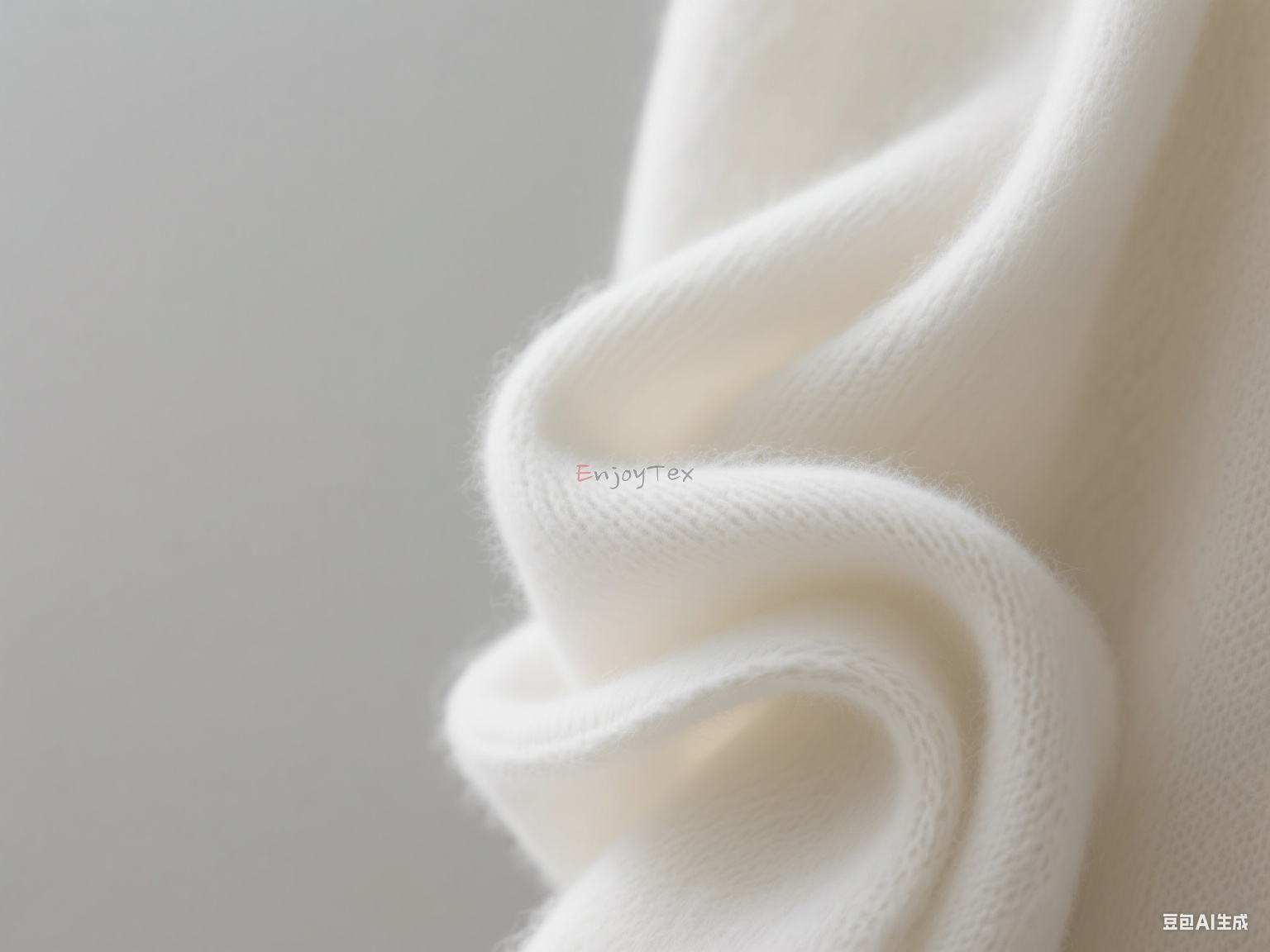
1. Fundamental Definition
Acrylic fiber (polyacrylonitrile fiber, PAN) is a synthetic fiber primarily composed of acrylonitrile monomer (CH₂=CH-CN, ≥85%). Its cyanide group (-C≡N) molecular structure grants it wool-like properties, with global annual production reaching ~3 million tons (15% of synthetic fiber market).
2. Core Performance Parameters
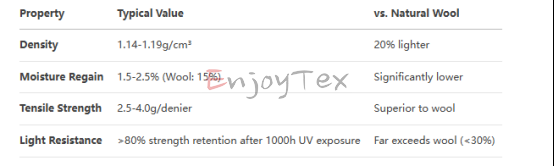
3. Key Production Technologies
(1) Polymerization Process
- Solution polymerization: DMF/DMSO solvent, >95% conversion rate
- Suspension polymerization: Cost-effective but broader molecular weight distribution
(2) Spinning Methods
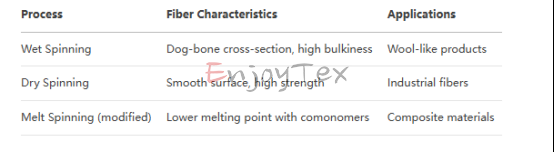
4. Advantages Analysis
(1) Biomimetic Properties
- Thermal resistance: 0.051W/(m·K) (close to wool)
- Crimp: 3D helical crimp improves loftiness by 30%
(2) Durability
- Mold/microbe resistance: Grade 0 (GB/T 24346-2009)
- UV protection: UPF >50+ (ASTM D6544)
(3) Processing Benefits
- Dyeability: Colors at 100°C (wool requires boiling)
- Shape memory: Permanent form retention after heat-setting
5. Limitations
(1) Comfort Issues
- Static buildup: Resistivity 10¹²Ω·cm (requires anti-static treatment)
- Moisture management: Wicking height <5cm (Cotton: 12cm)
(2) Environmental Challenges
- Toxic monomer: Acrylonitrile (IARC Group 2 carcinogen)
- Slow degradation: >80 years for natural decomposition
(3) Usage Constraints
- Heat sensitivity: Softening point 190-240°C (avoid ironing)
- Synthetic feel: Glossy appearance in standard products
6. Modification Breakthroughs
(1) Functional Enhancements
- Anti-pilling: Reduced polymerization degree (DP <800)
- Flame-retardant: Vinyl chloride comonomer (LOI >28%)
- Microfiber: <0.8dtex cashmere-like texture
(2) Eco-Upgrades
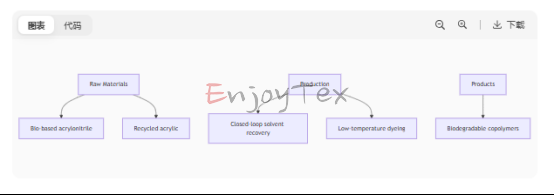 ---
---
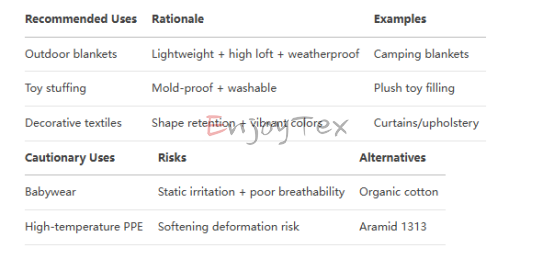
7. Application Guidelines
 ---
---
8. Market Data Reference
- Cost Comparison:
- Acrylic yarn: ¥25-35/kg
- Australian wool: ¥80-120/kg
- Product Lifespan:
- Home textiles: 5-8 years (Wool: 3-5 years)
9. Future Trends
- Biosynthesis:
Glucose-fermented acrylonitrile (Cargill technology)
- Smart Response:
20% fiber diameter expansion at RH>65% (humidity regulation)
- Nanocomposites:
Graphene coating for electrothermal heating (winter apparel)
RELATED NEWS
- (QA)Causes and Solutions for Fabric Underweight 2026-05-28
- Causes and Solutions for Fabric Underweight 2026-05-28
- (QA)Causes and Solutions for Inconsistent Fabric Width 2026-05-28
- Causes and Solutions for Inconsistent Fabric Width 2026-05-28
- (QA) Analysis of Causes and Solutions for Common Fabric Problems -- Causes and S 2026-05-25
CATEGORIES
LATEST NEWS

CONTACT US
Contact: Jennie Feng
Phone: +86 18605718133
E-mail: info@enjoytex.com.cn
Whatsapp:+86 18605718133
Add: A206,10# Xiyuan Road Xihu District,Hangzhou City,310030 China