Blog
Solvent-Free Leather
Solvent-Free Leather
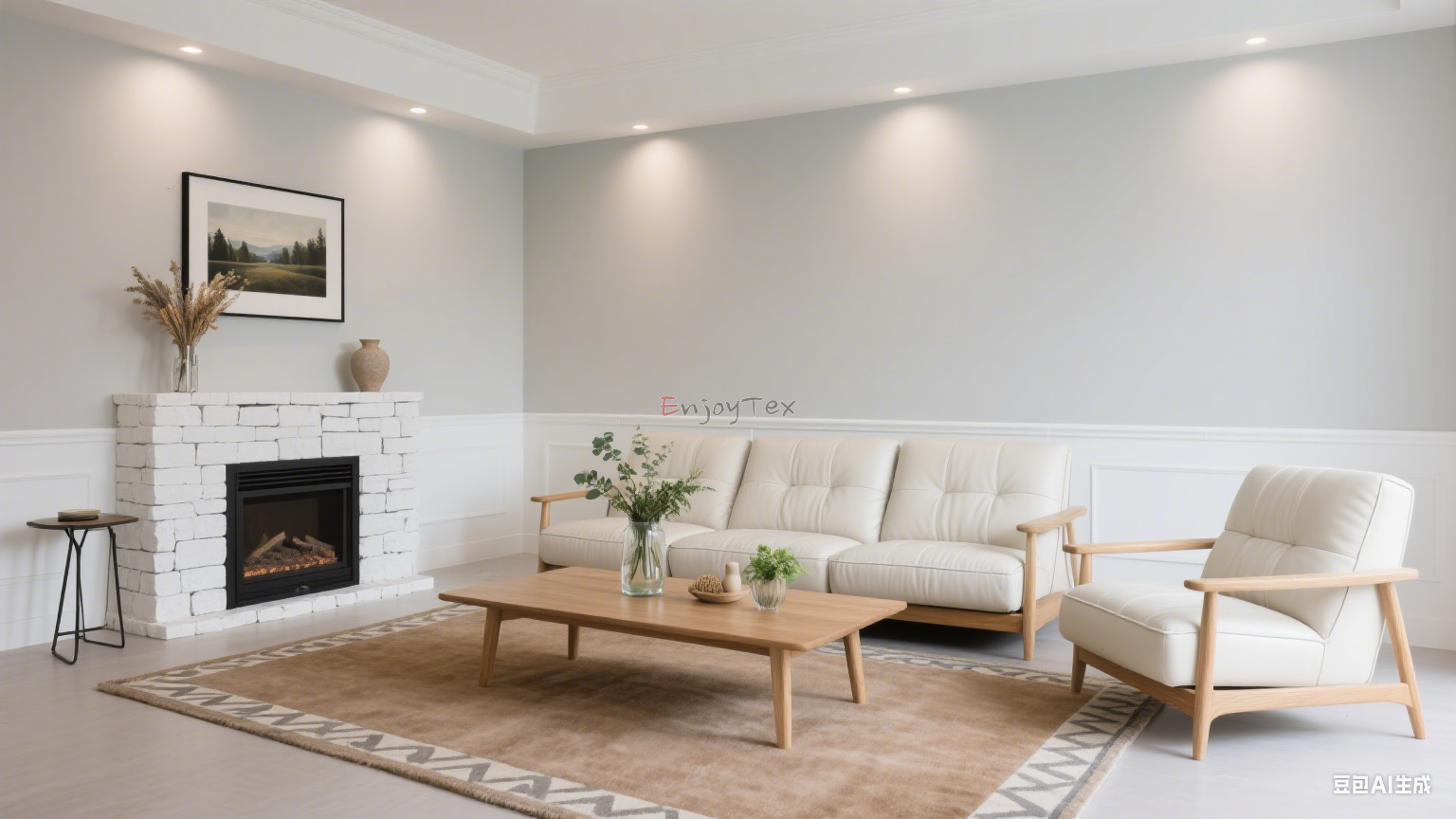
Solvent-free leather refers to leather or synthetic leather produced using eco-friendly processes without traditional organic solvents (such as DMF, toluene, acetone, etc.).
This technology is primarily applied in the production of artificial leather (e.g., PU leather, microfiber leather) to reduce volatile organic compound (VOC) emissions and minimize harm to the environment and human health.
Below is a detailed introduction to solvent-free leather.
1. Core Manufacturing Technologies
- Solvent-Free PU Synthetic Leather:
- Uses 100% solid-content polyurethane (PU) resin, which is directly formed into a leather surface through reactive molding (e.g., wet or dry processes) without solvent dilution.
- Typical process: Liquid PU resin is mixed with a curing agent and coated onto a base fabric or microfiber, then heat-cured to form a porous structure.
- Water-Based PU Leather:
- Uses water as a dispersion medium instead of organic solvents, technically classified as "low-solvent" technology with minimal VOC emissions.
- Physical Molding Technology:
- Some solvent-free leather is formed through physical methods like hot pressing or melt extrusion, avoiding chemical solvents entirely.
2. Environmental Benefits
- Zero VOC Emissions: No harmful solvents are released during production, improving worker safety.
- Reduced Waste: No solvent residues, making waste easier to recycle or degrade.
- Compliance with International Standards: Meets strict environmental regulations such as EU REACH and OEKO-TEX®.
3. Performance Characteristics
- Advantages:
- High Safety: No solvent residues, making it suitable for automotive interiors, furniture, baby products, etc.
- Eco-Certifications: Easier to obtain green product certifications (e.g., Bluesign®, Cradle to Cradle).
- Stable Physical Properties: Some solvent-free leathers offer better abrasion and hydrolysis resistance than traditional solvent-based products.
- Limitations:
- Higher Initial Costs: Eco-friendly materials and production equipment require greater investment.
- Texture Adjustment Challenges: Solvent-free processes may affect softness, requiring technical optimization.
4. Applications
- Premium Automotive Interiors: Seats, steering wheels (must meet strict VOC standards).
- Furniture & Home Decor: Sofas, wall coverings, and other high eco-standard applications.
- Sports Equipment: Gloves, footwear, and other products requiring close contact with skin.
- Electronics: Eco-friendly phone cases, laptop sleeves, etc.
5. Market & Brands
- Leading Technologies:
- Toray’s (Japan) "Ecouse" series.
- BASF’s (Germany) "Haptex" solvent-free PU leather.
- Chinese manufacturers like Anli Group and Huafon Microfibre are also advancing solvent-free products.
- Certifications: Look for labels like "UL EcoLogo" and "Greenguard."
6. Future Trends
- Bio-Based Materials: Plant-derived PU resins (e.g., from castor oil).
- Recycling & Circular Economy: Solvent-free processes facilitate chemical recycling of waste leather.
- Performance Breakthroughs: Nanomaterial enhancements for better breathability, antibacterial properties, etc.
RELATED NEWS
- (QA)Causes and Solutions for Fabric Underweight 2026-05-28
- Causes and Solutions for Fabric Underweight 2026-05-28
- (QA)Causes and Solutions for Inconsistent Fabric Width 2026-05-28
- Causes and Solutions for Inconsistent Fabric Width 2026-05-28
- (QA) Analysis of Causes and Solutions for Common Fabric Problems -- Causes and S 2026-05-25
CATEGORIES
LATEST NEWS

CONTACT US
Contact: Jennie Feng
Phone: +86 18605718133
E-mail: info@enjoytex.com.cn
Whatsapp:+86 18605718133
Add: A206,10# Xiyuan Road Xihu District,Hangzhou City,310030 China